
Design
Inclusive Design – insights from the first edition of Design Café
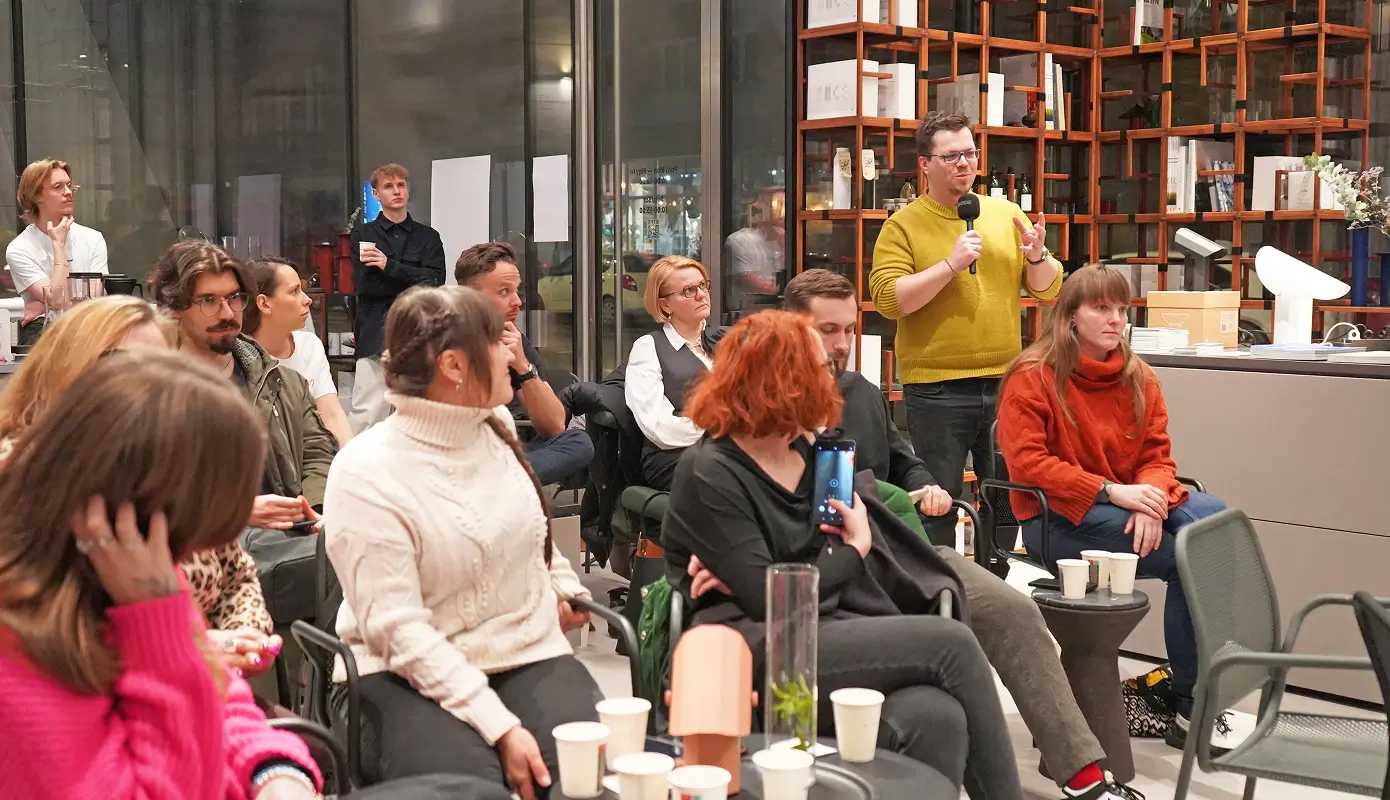
How can we design to replace barriers with solutions that integrate, support and connect? This was the core question of our panel discussion, “Inclusive Design: Designing for Community and People” which launched our new series of meetings for designers and architects.

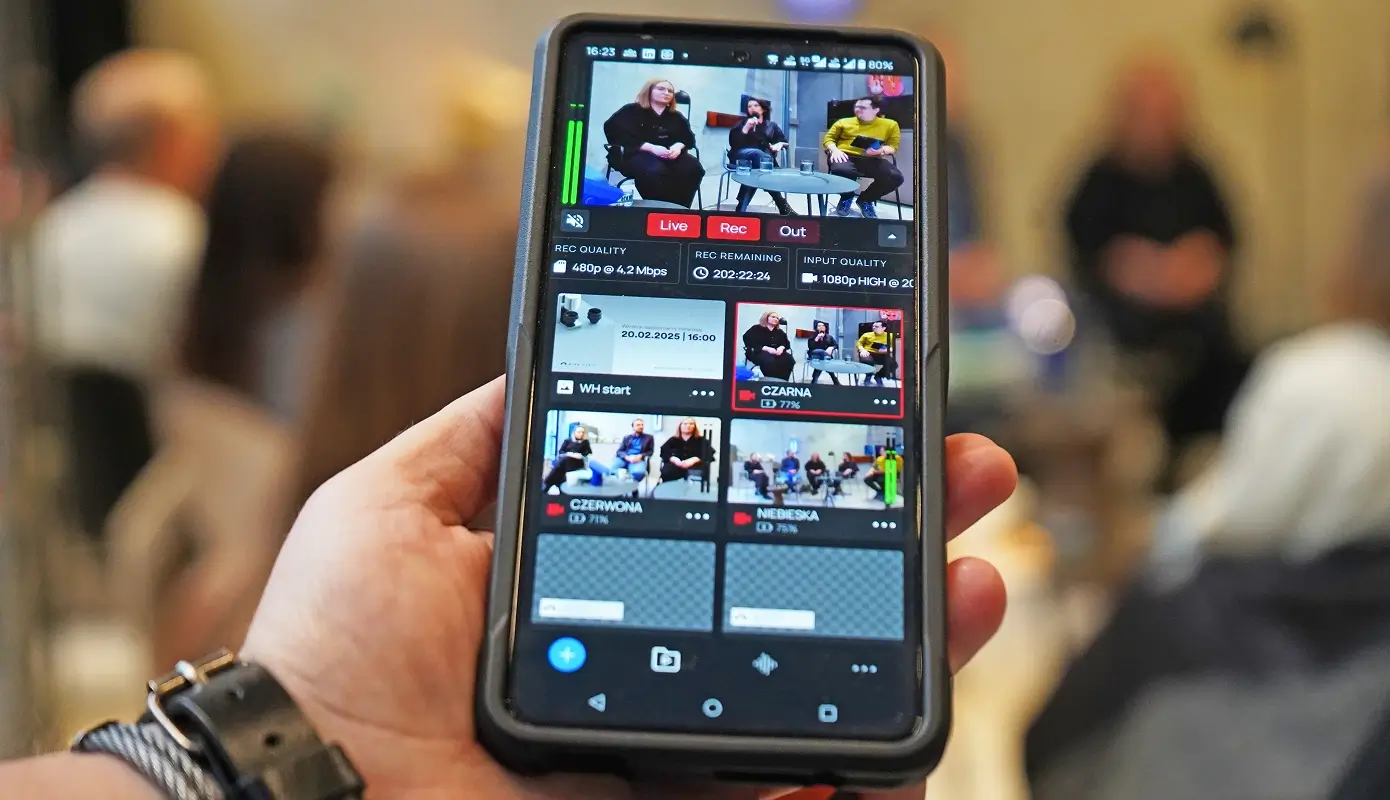
On February 20, we opened Design Café, a new event series dedicated to the design community. In collaboration with "Architektura-Murator" magazine, we created a space at Wise Habit for wise conversations that will help shape the future of design and architecture.
The inaugural event focused on inclusive design – an approach that brings people together rather than excluding them. It's about placing the needs of diverse groups of people at the center of the process, eliminating barriers and building community. We explored how to achieve inclusivity from various perspectives – from product design through architecture and new housing models to supporting technologies.
We invited experts who continuously sensitize architects, investors, developers, students and users to the importance of accessibility.
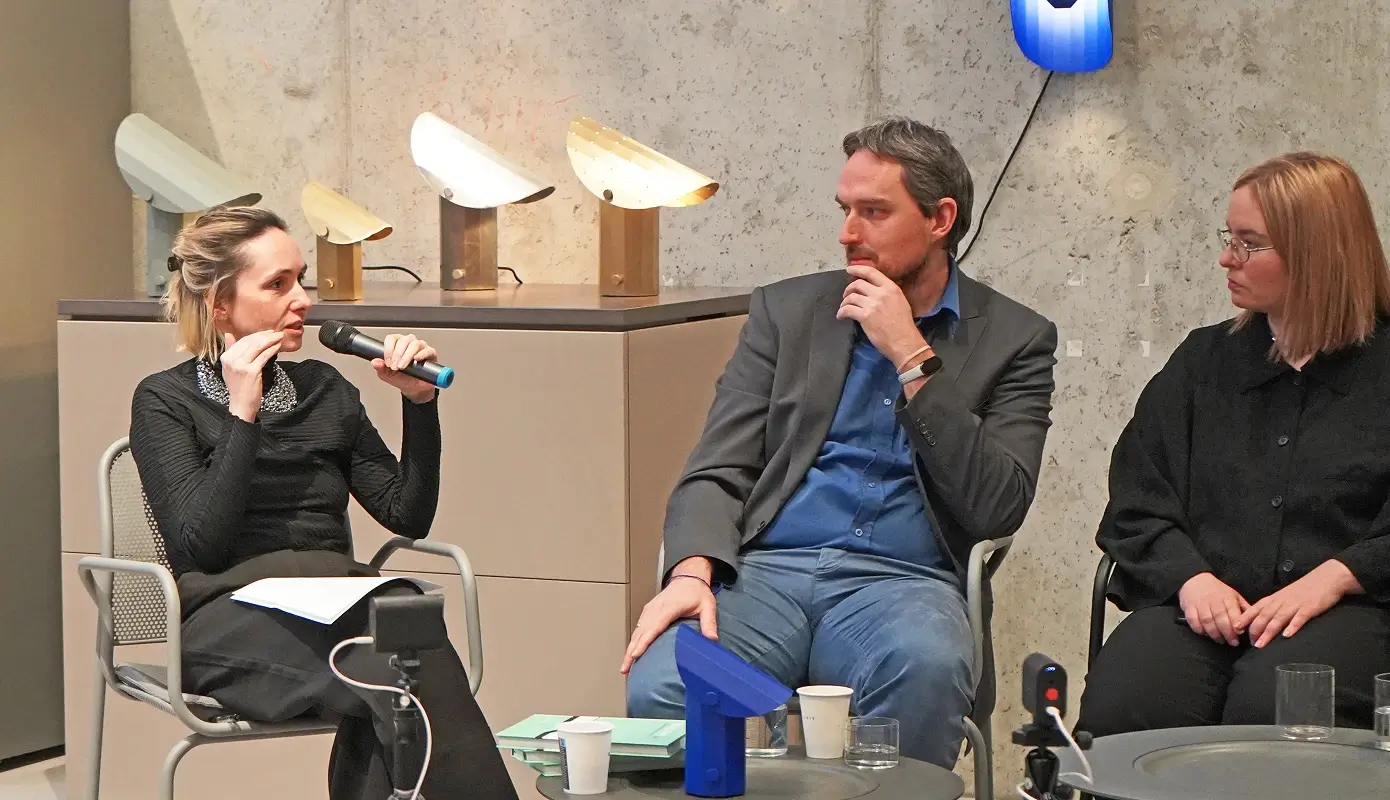
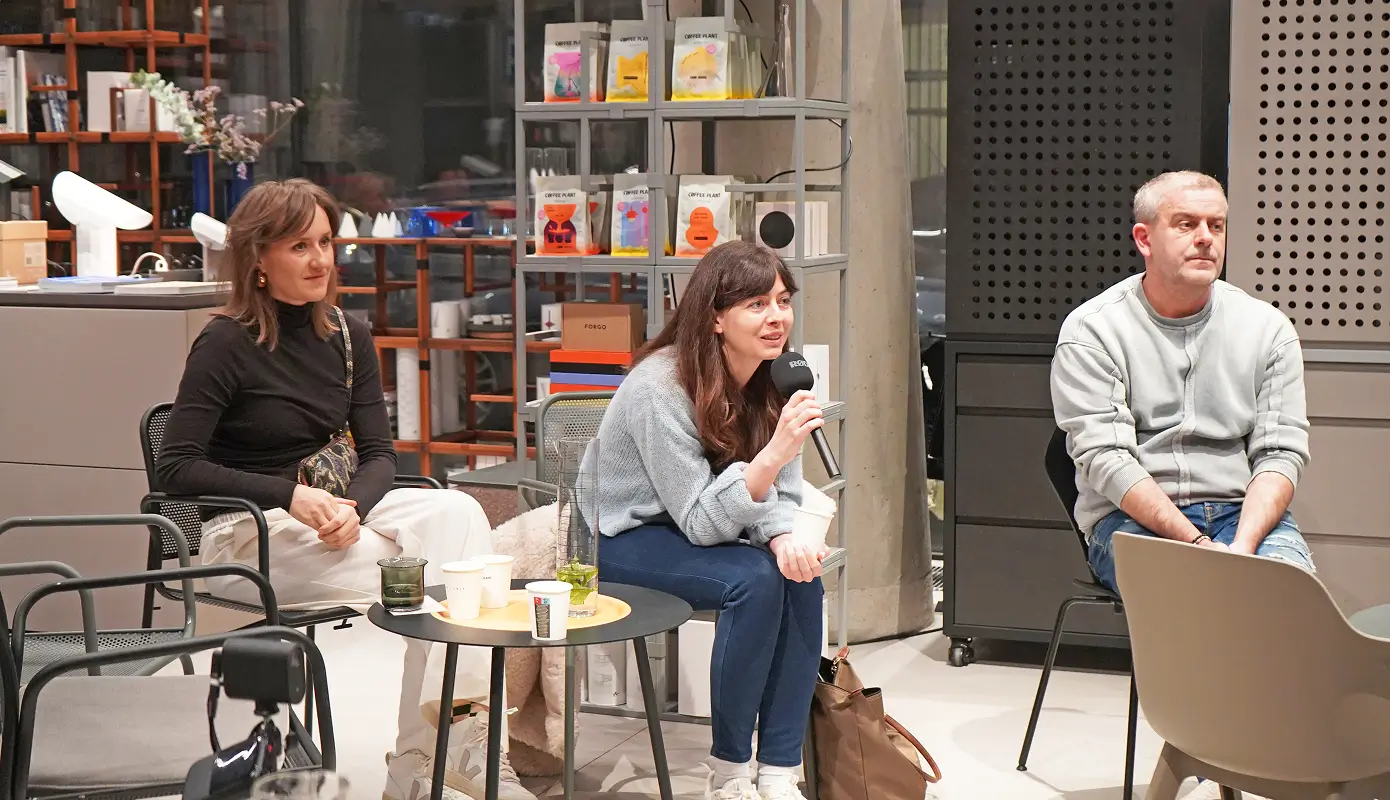
Joanna Krokosz, a designer and academic lecturer, who leads the Socially Responsible Design Studio and the Universal Design Lab at the Academy of Fine Arts in Kraków, offered insights from both research and her hands-on experience in social innovation. Jarosław Bogucki, an expert on architectural accessibility for people with limited mobility and on hiring people with disabilities, shared his extensive knowledge gained from his work at Integracja Foundation, as the Director of Development at Integracja LAB, a co-organizer of the Accessibility Forum, and a long-time coordinator of "Obiekt Bez Barier" (Facility Without Barriers) Certification on the Polish commercial real estate market. Zuzanna Mielczarek, an architect, architecture researcher and exhibition curator at the National Institute of Architecture and Urban Planning, focused on inclusive architecture, drawing from her experience as a lecturer at the Faculty of Architecture in Brno, Czech Republic, where she leads Inclusive Housing Studio course.
The discussion was moderated by speakers who also took on the role of panelists: Marcelina Plichta-Wabnik, CEO of Wise Habit, strategist, entrepreneur and lecturer at School of Form, who brought in the business perspective on responsible design. Co-moderating was Artur Celiński, editor-in-chief of "Architektura-Murator", journalist and urban policy researcher, known for his long-standing efforts toward more sustainable urbanism, including his involvement in the DNA Miasta program.
Their combined perspectives – spanning business, education and media – broadened the conversation. We discussed not only technical standards and practical aspects of inclusive design but also the shift in mindset needed to design with empathy.
Shedding light on key topics
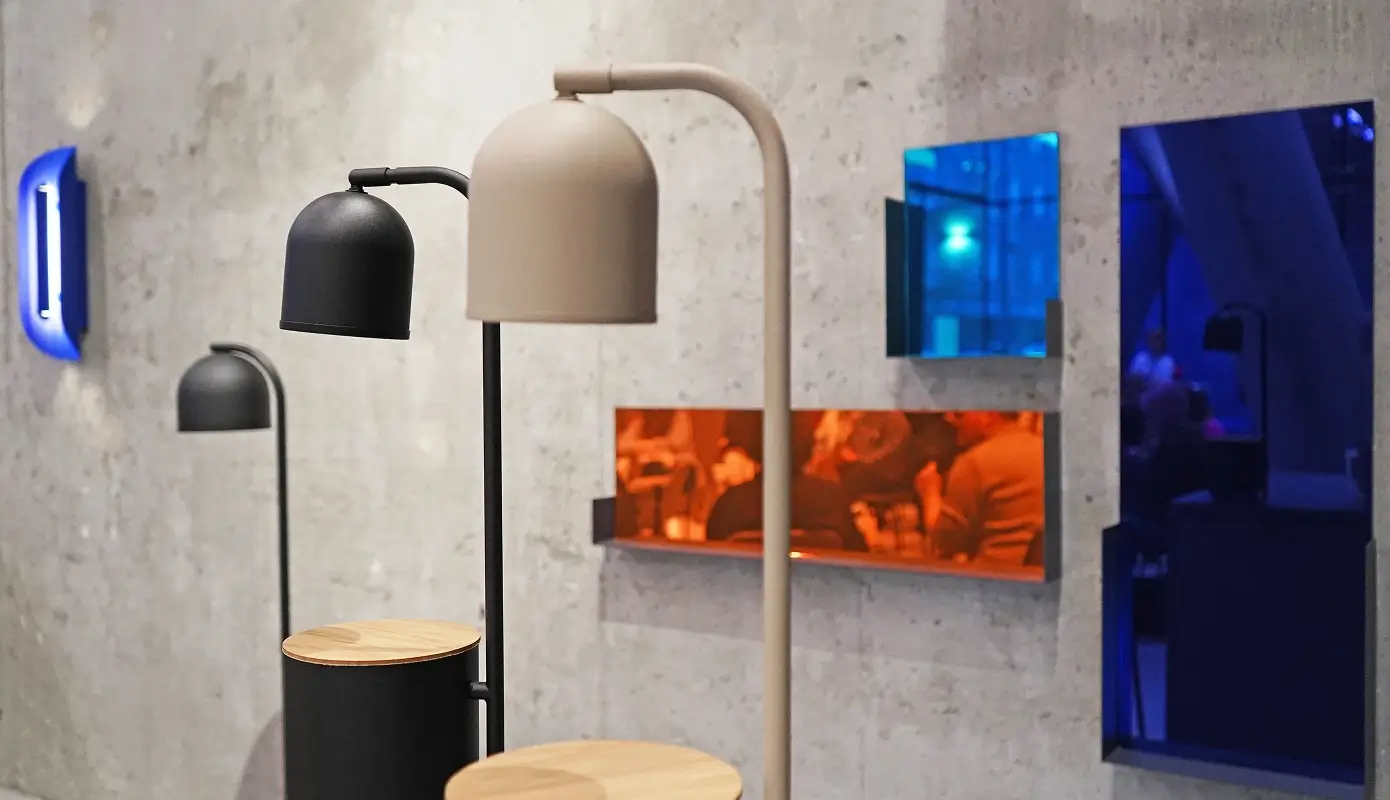
Our design partner for the event was Kaspa, a Polish lighting brand that merges craftsmanship and sustainability. Like Wise Habit, Kaspa values local production, collaborating with Polish designers and artisans. Together, we are committed to developing Design Café, illuminating the key issues in the design community.
Kaspa's co-founder, Paweł Szymański, shared the brand's perspective on inclusivity: "For us, inclusivity means mutual respect and acceptance. We foster a diverse team where everyone feels valued and can collaborate in a friendly, empathetic environment. Our relationships – both within the company and with partners – are built on openness and honesty. We eliminate unnecessary barriers and hierarchies because we know that we are all working toward a shared goal. When it comes to our products, we strive to meet a variety of customer needs – whether in style, technology, materials, or price – ensuring accessibility for different tastes and budgets."
The space of our showroom was illuminated by two Kaspa collections: Apolin, a modernist lighting series inspired by Polish craftsmanship from the 1950s-70s, designed by Grynasz Studio with a focus on responsible resource use, and Botanica, a multifunctional line that serves as both a light source and a planter, integrating biophilic design into interiors.
Accessible design
The starting point in our discussion was a provocative question: is inclusive design really... inclusive? It's not just about the accessibility of products and spaces themselves, but the way we provide it – so that different user groups are included naturally and seamlessly, rather than as an exception requiring special solutions.
Zuzanna Mielczarek pointed out the risks of an approach that treats inclusivity as an additional adaptation: "If we think of accessibility as something added on at the end, we can get the opposite effect. The place will become accessible, but at the same time it can have a stigmatizing effect because of the form this adaptation takes. If we want it to be truly inclusive and equal, we need to design with all users in mind from the very beginning – not only in architecture, but also in culture."
Jarosław Bogucki presented a similar approach: "Let's not create dedicated solutions, let's go for universality. Users don't want to be labeled in a specific category – they just want to use spaces and products on an equal basis."
Marcelina Plichta-Wabnik shared her way of thinking to create products for the broadest possible groups: "I always start with a list of potential audiences and think about what challenges they might face. It helps to look at the project from a different perspective, and not just through the prism of my own experience. It's all about awareness and empathy they're what make thing truly accessible."
Accessibility is therefore not an add-on, but the foundation of good design – one that does not divide users into "standard" and "needing adaptation," but takes everyone into account right away.
Design that listens
But how do we reconcile diverse goals and needs? According to Jaoanna Krokosz, the answer is participation - involving the audience early on in the design process: "Ideally, the participatory process starts even before the design objectives are formulated – this is the moment when you really need to know the target users well. An example is my project Uniodzież – a rain jacket for wheelchair users. When I started working on it, I didn't realize how many different models of wheelchairs exist on the market. There are electric, active, rehabilitation ones – each group has different needs. It was only through public consultation that we were able to identify key requirements and create a solution that actually works."
The designer highlighted that it was through focus research that she arrived at the optimal version of the design: "The first version of the jacket was available as open source – I assumed that people would sew it themselves. That didn't happen, however, because the design turned out to be too complicated. The next iteration produced an ultra-simple leg cape. Now, after further consultations, we already know that carts with an additional fifth wheel require another design modification – a zipper needs to be added to make room for it. I would never have thought of this myself. This shows how important it is to listen to users at every stage."
Architecture for the community
We talked not only about products, but also about spaces – especially residential spaces, which are the framework of our daily lives. It turned out that we have several developments in Poland that set the standard for inclusivity in housing. As Zuzanna Mielczarek pointed out, one of them is the senior cohousing for women in Rybnik: "It's a pilot solution in which elderly women have lived together in one unit – and they are very happy with it. One floor above is an apartment for women becoming independent after a stay in a single mother's home. The two groups form a kind of supportive community – the senior women help with childcare, and the younger neighbors return the favor by helping with shopping, among other things."
Importantly, the cohousing is located not on the outskirts, but in a modernized townhouse in the city center. As a result, its residents remain a part of urban life – they are visible, causal and can participate in community life. This is how architecture can support new forms of community building.
Intergenerational city
We frequently returned to the topic of the inclusivity of cities, particularly in the context of different generations and genders. Zuzanna Mielczarek pointed out that basic issues, such as the availability of public restrooms, remain a challenge. This particularly excludes women – statistics show that they are more likely to need these facilities, whether for physiological reasons or in their role as caregivers for children or the elderly.
We also focused on the adaptation of cities to the needs of seniors. How do we move from a situation in which seniors become "prisoners of the fourth floor" – confined to their own apartments due to the lack of an elevator – to a reality in which the entire city becomes, as Marcelina Plichta-Wabnik put it, "a playground for seniors"? True inclusivity is not only about elementary infrastructure accessibility, but also about creating conditions in which everyone, regardless of age, can enjoy social, cultural or professional life. This is especially important today, when a growing part of our urban communities is the so-called "silver generation" (people over 60). As Artur Celiński noted, "when we design for seniors, we design for ourselves."
On the other hand, Joanna Krokosz noted that the needs of youth are often overlooked in urban spaces. Positioned between the youngest generation and adults, teenagers don't many spaces or programs dedicated to them. However, there are examples of good practices – at the Kraków Museum of Japanese Art and Technology Manggha, there is a Youth Council, a special group of students aged 13-18, who meet with museum staff and have a say in shaping its program. In the Pszczyna Cultural Center, there are so-called games rooms – empty rooms equipped only with video games and sofas, which teenagers can adapt to their own needs, creating space on their own terms.
From "smart" to "wise"
We also looked at the role of innovation in supporting accessibility in design and architecture. Modern technologies such as artificial intelligence (AI), virtual reality (VR), and 3D printing have great potential for creating more inclusive spaces and products. At the same time, we wondered if, paradoxically, they could generate new barriers.
On the one hand, digital tools allow for accessibility and ergonomics to be considered already at the design stage by simulating different scenarios. During the use phase, smart systems and automation, such as touchless doors or adaptive lighting, make life easier for people with limited mobility or sensory hypersensitivity. Technology also opens up new possibilities for spatial orientation-examples include mobile apps with beacon-based navigation, tactile maps, or audio signage.
However, we did not overlook the challenges. One of them is digital exclusion, especially among older people. Many modern devices require the use of mobile apps, which means the need to have the right, up-to-date equipment and the skills to use it. Interfaces are not always intuitive, and often there is a lack of alternative control methods. Jarosław Bogucki also pointed out the ubiquity of touchscreens in everyday devices-from coffee machines and washing machines to elevators. While they may seem convenient, they can pose a barrier not only for blind people but also for seniors who lose sensitivity in their fingertips with age. A potential solution could be haptic technologies, which give touch surfaces different textures, helping with orientation and navigation.
It is therefore important to move from a "smart" approach to a "wise" one, as Marcelina Plichta-Wabnik emphasized. This means combining digital capabilities with human empathy. Only then will we create solutions that are not a mere – because technologically advanced convenience for a narrow group of people, but real support.
Equal rights
We also raised the question of whether inclusive design should be "imposed" by regulations, or rather result from voluntary initiatives and growing public awareness. We agreed that while grassroots efforts are valuable, without appropriate regulations it is difficult to talk about universal, democratic access to spaces and objects.
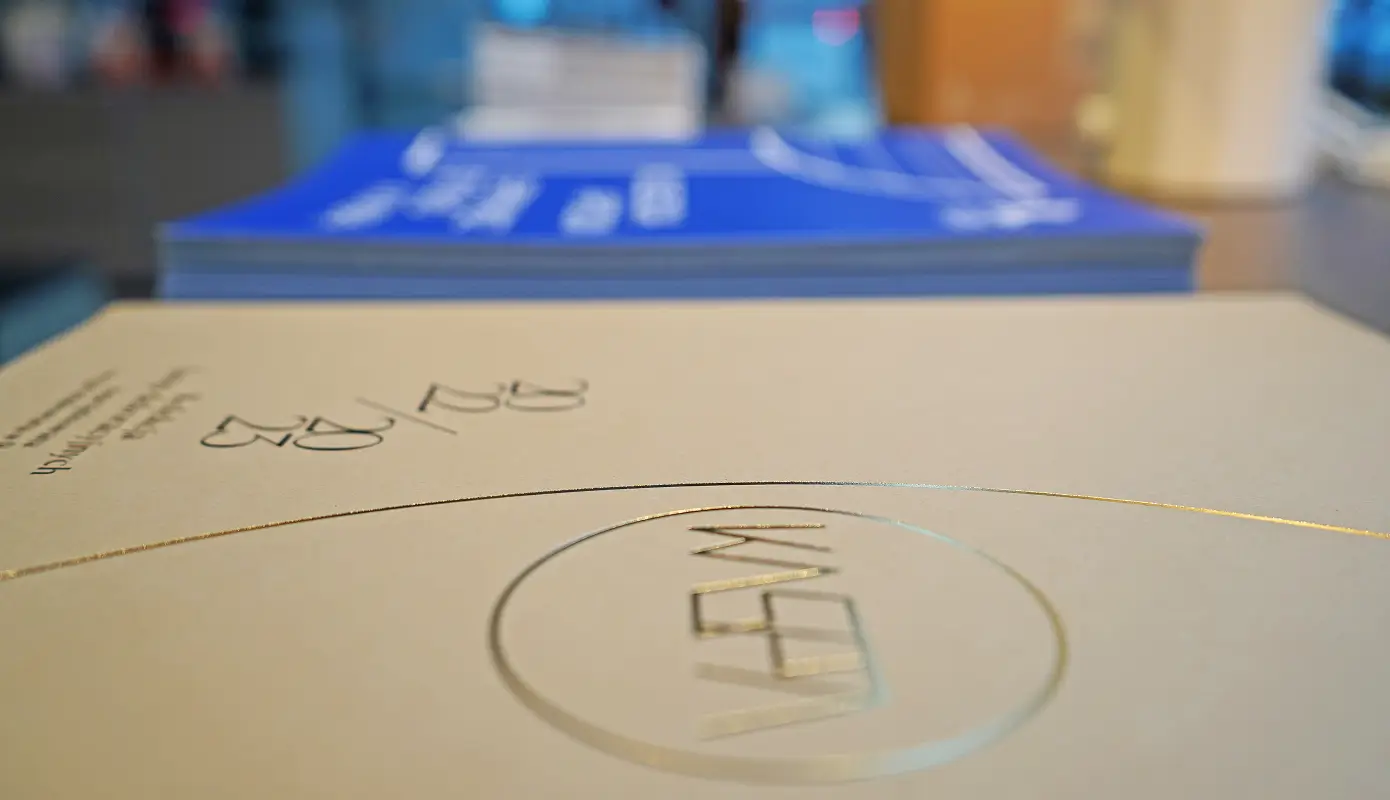
In this context, Jarosław Bogucki presented the publication of the Integration Foundation and SKANSKA "SWITCH to inclusive design 2.0" – the only Polish guide for architects that goes beyond the minimum requirements of the law, synthesizing American standards (outlined in ISO 21542 and ADA Standards for Accessible Design) with the Polish regulations specified in the Building Law. This comprehensive study, which takes a step-by-step approach to universal design, is available online and in our showroom – for anyone who would like to read it on-site.
Zuzanna Mielczarek, in turn, recommended "Universal Design. Making Environments Accessible to People with Disabilities" by Ewa Kuryłowicz as a set of guidelines that go beyond the standard understanding of construction law.
Two important legislative changes are also on the horizon. In June, the act on accessibility of products and services goes into effect – the first law that will directly impact businesses by specifying particular industries that are required to consider accessibility. The second is a change in the law on the deposit system, concerning the recycling of packaging and bottles. An interesting issue of access to... sustainable solutions emerged here. Jarosław Bogucki pointed out the paradox of "recyclomats" – deposit machines for used bottles: "I get the impression that the designers of these devices didn't think about their actual users. The last machines I saw had bottle slots at a height of about 180 cm . This excludes children, short people, and those in wheelchairs." This is an example of how designing without considering diverse needs can lead to new forms of exclusion – even in pro-environmental initiatives.
"So that people are not a compromise"
We ended our conversation with an attempt to synthesize what inclusivity truly means. Our experts' insights formed a cohesive narrative centered around one key idea: placing people and their evolving needs at the heart of design.
Artur Celiński: "Inclusivity is ensuring comfort for every user on equal terms – so that everyone can navigate a space without having to ask for help or struggle for support."
Joanna Krokosz: "Inclusivity is a fundamental human need, not an exception. It should be the standard for everyone. Each of us has different needs and those needs change over time. Architecture and products should be flexible enough to adapt to them."
Zuzanna Mielczarek: "Inclusivity is leaving no one out – it should be a natural part of every stage in the design process, not just an extra initiative added at the end."
Jarosław Bogucki: "Inclusivity is, above all, about independence – the ability to use a product or space without having to ask for help. It's also about shifting the focus on human from the end of the design process to the very beginning. Whether we're designing a building or a product, we need to consider a diverse range of users - people who are short, tall, fuller-figured, slim or those with visual or hearing impairments. If we start with people and their needs rather than just the brief, we have a real chance at achieving true inclusivity. I dream of a world where people are not a compromise."
Marcelina Plichta-Wabnik: "Inclusivity is about paying attention – the ability to observe and listen, then translate that understanding into product design."
Conversations over coffee
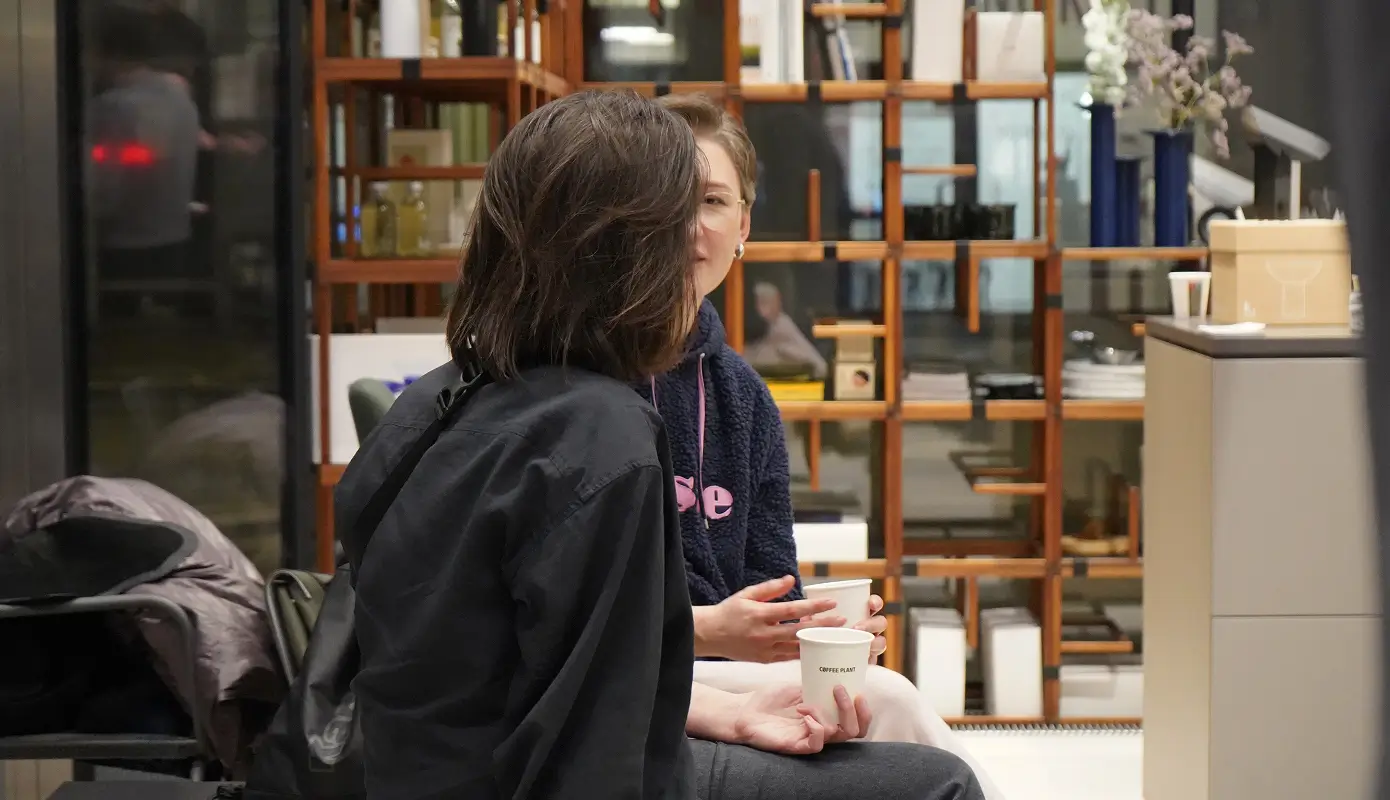
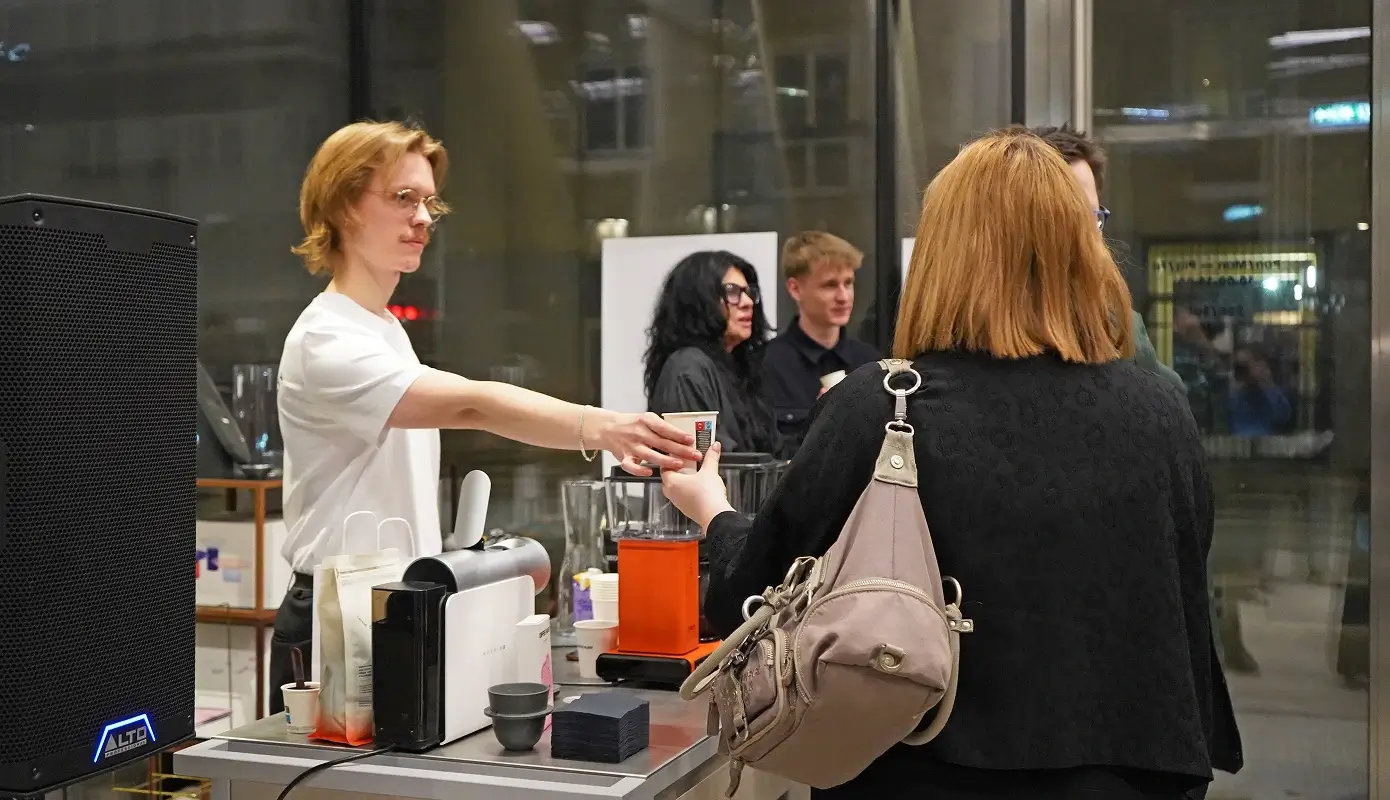
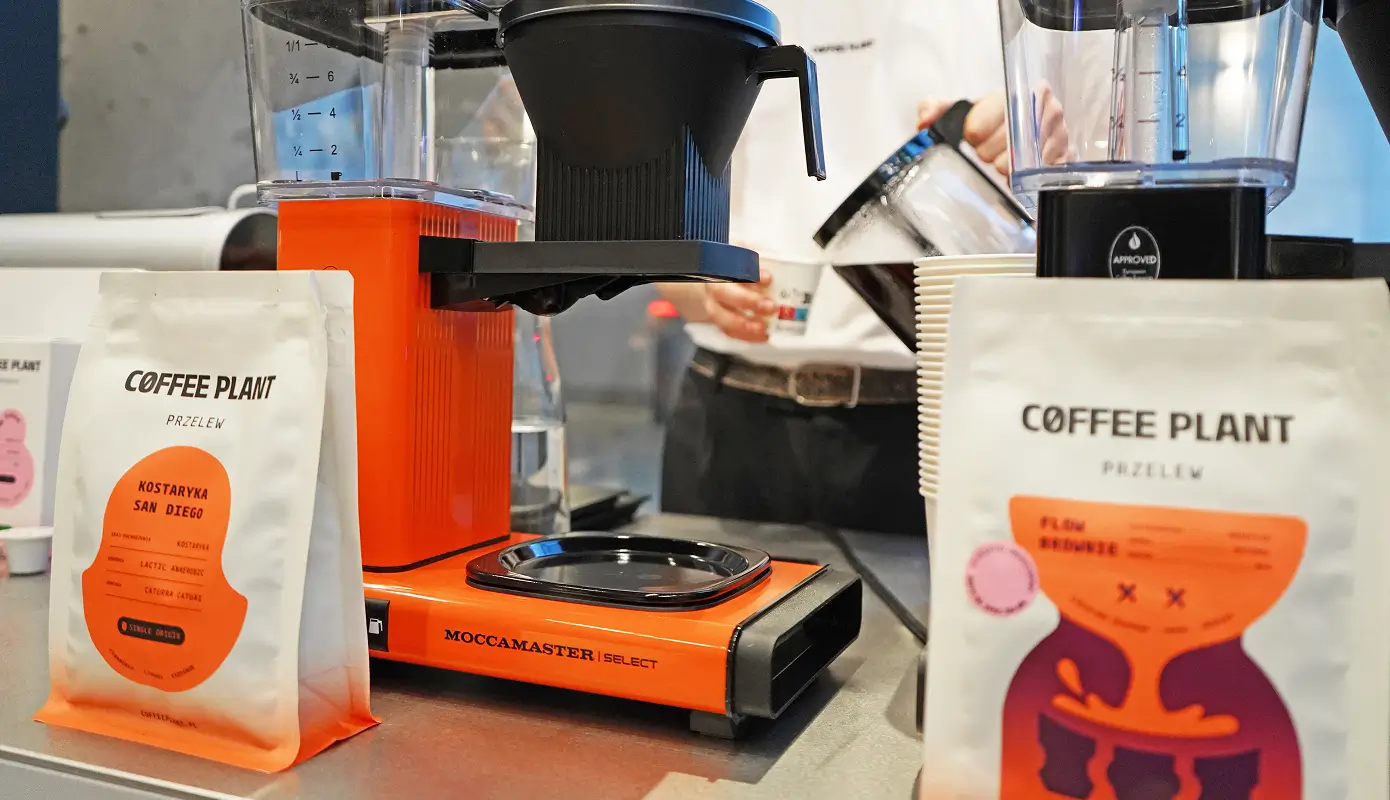
The aroma of freshly brewed coffee accompanied us throughout the event. Thanks to COFFEE PLANT, a Warsaw-based specialty coffee roastery, our showroom transformed into a café-inspired space that encourages moments of pause and unhurried conversation.
"Specialty coffee is an art of attention to detail – nothing here happens by chance. We take care of quality at every stage: from selecting the beans, through their journey to our roastery, to the final flavor profile. We roast coffee for every brewing method, so both experienced coffee lovers and those just beginning their journey can enjoy an exceptional taste. We want to make the world of specialty coffee accessible to everyone – you don't need special skills to prepare your favorite cup." – Patrycja Ogrodnik, Head of Marketing & PR at COFFEE PLANT.
We're thrilled to collaborate, as our shared belief in the power of rituals connects us with COFFEE PLANT. Like us, they weave passion with responsibility:
"At COFFEE PLANT, we focus on sustainability – our specialty coffee capsules are 100% compostable and completely break down in home compost within 26 weeks. So you can enjoy exceptional coffee while taking care of the planet." - Patrycja Ogrodnik.
Wise to include you
We thank all our Guests for attending, for their thought-provoking questions and for the extended conversations that continued after the panel. These moments show how engaged and inspiring community we are building at Wise Habit. We look forward to welcoming you to our upcoming Design Café events. The next one, "Art & Design: Designing for Social Value and the Role of Art in Design", will take place on March 20th at 4 PM! Sign up and stay tuned to our calendar for other upcoming events – meetings, exhibitions, and workshops.