
Awareness
Silence for wellbeing
20dB. That’s the sound level of rustling leaves in the wind. A gentle hum that relaxes, soothes and calms the mind. And yet, most of us go about our days surrounded by much louder soundscapes. So how do we find balance? We spoke with Alan Grinde from the Institute of Acoustic Ecology to find out.

Acoustic comfort is one of the cornerstones of wellbeing. Without it, our health suffers – we lose focus, our peace of mind is disturbed and even our sense of safety is shaken. At the same time, noise pollutes the environment. By drowning out natural silence, it disrupts habitats and triggers shifts in entire ecosystems.
At Wise Habit, we believe it's worth raising the volume on topics that still don't get enough attention. This is why we sat down with Alan Grinde – founder of the Institute of Acoustic Ecology, initiator of the "Much Noise About Noise" campaign and author of over 1000 educational materials on health, human rights, noise and ecology.
Wise Habit: Why should we make noise about noise? How does it affect people and the environment?
Alan Grinde: Noise is the second largest environmental factor threatening public health, causing 12,000 premature deaths annually in the EU and generating billions in social costs. It damages not only human mental and physical health but also disrupts animal communication, drives wildlife out of their natural habitats, and degrades biodiversity in cities.
WH: What is acoustic comfort and what are the optimal parameters for humans-at home, at work, and in the city?
AG: Acoustic comfort is a state in which the sound environment supports human well-being rather than causing stress and illness. The optimal noise level in a bedroom should not exceed 35dB , in spaces for intellectual work 40-45dB, and in urban areas 50-55dB. Yet in many Polish cities, we often experience levels of 65-75dB, which significantly exceed safe limits.
WH: How can technology help us fight noise?
AG: Anti-noise technologies are developing rapidly – sound cameras can pinpoint exact sources of noise pollution, "whispering asphalt" can reduce traffic noise by up to 8dB , and sound crystals create innovative acoustic barriers more effective than traditional solutions. The tools are available – now it's up to policymakers to use them. Research clearly shows that investing in these technologies is significantly cheaper than treating noise-related illnesses or compensating for the loss of property value in noisy areas.
WH: What is the role of sustainable design in creating quieter spaces?
AG: Sustainable design is not just about aesthetics – it's about strategically designing spaces with acoustic well-being in mind. Combining porous materials that absorbfrequencies in the (500-2000 Hz) range with layered green infrastructure can create "acoustic enclaves" in the heart of the city. Thoughtful urban layouts with a hierarchy of quiet zones, along with the integration of technical and natural solutions, are key to designing healthier acoustic cities.

Design that brings quiet
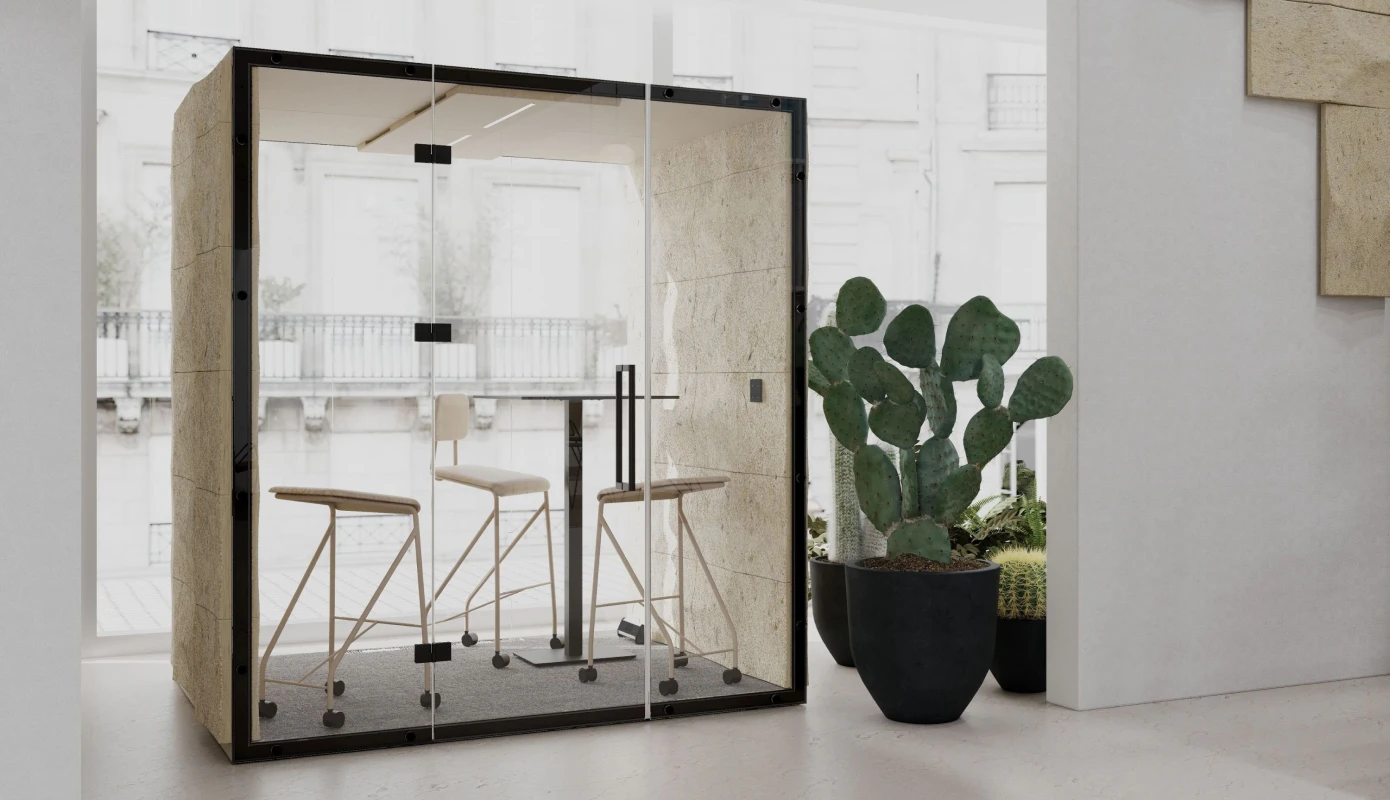
At Wise Habit, we care about offering products that are kind to all the senses – including hearing. That's why we collaborate with VANK, a brand known for creating modern, 100% sustainable acoustic panels, partitions and pods. Their work brings together care for the planet and care for human wellbeing – both at home and in the workplace.
VANK uses renewable, recycled and bio-based materials, combining them with original technology that effectively absorbs noise and supports focus and calm. Their 3D-structured panels act as diffusers, breaking up sound waves, while their modularity allows for flexible use – from wall features to desk dividers. Freestanding panels help define adaptable zones for work or rest. Their acoustic pods and phone booths offer quiet, mobile spaces for calls or focused work. These solutions truly improve everyday comfort – because silence fuels creativity. We know from experience – we use them daily at our own Wise Office.
Calm in a world of digital noise
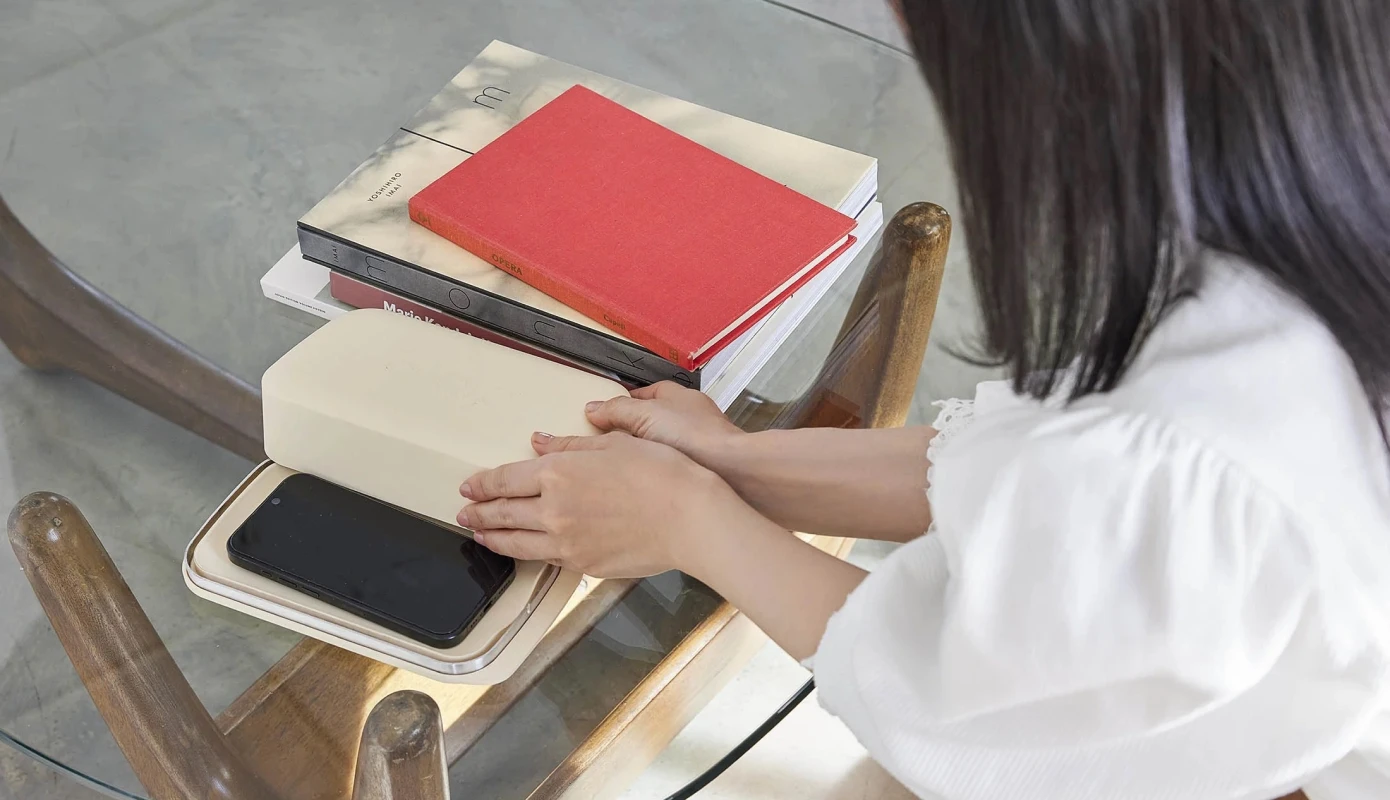
Today, we are also surrounded by another kind of noise – digital. In a world that's always online, we seek tools that help us restore balance. One such brand is Stolp® – creators of products that help us disconnect from the digital buzz and reconnect with real life.
Their Phone Box is an innovative Faraday cage. Once a phone is placed inside and the box is sealed, no signals go in or out. It offers full clarity and peace of mind, every single day. For those always on the move, there is the Carry Case – a minimalist shoulder case for your phone and essentials. Its built-in phone signal-blocking pocket allows for complete disconnection from the online world, whenever you need to. Its a product that facilitates using digital technologies without losing touch with reality.
With Stolp®, you can reclaim what we value most: presence. Awareness. Silence, on demand.
Let's talk about silence
This is a topic worth speaking out loud. On the occasion of the International Noise Awareness Day, together with the Institute of Acoustic Ecology, we invite you to a debate: "How to design quieter cities – a multidisciplinary approach to tackling noise".
Join us on April 25th at 4 PM as we explore how to care for silence in urban spaces. For the good of our health – and the planet's.
Wise to hear you.